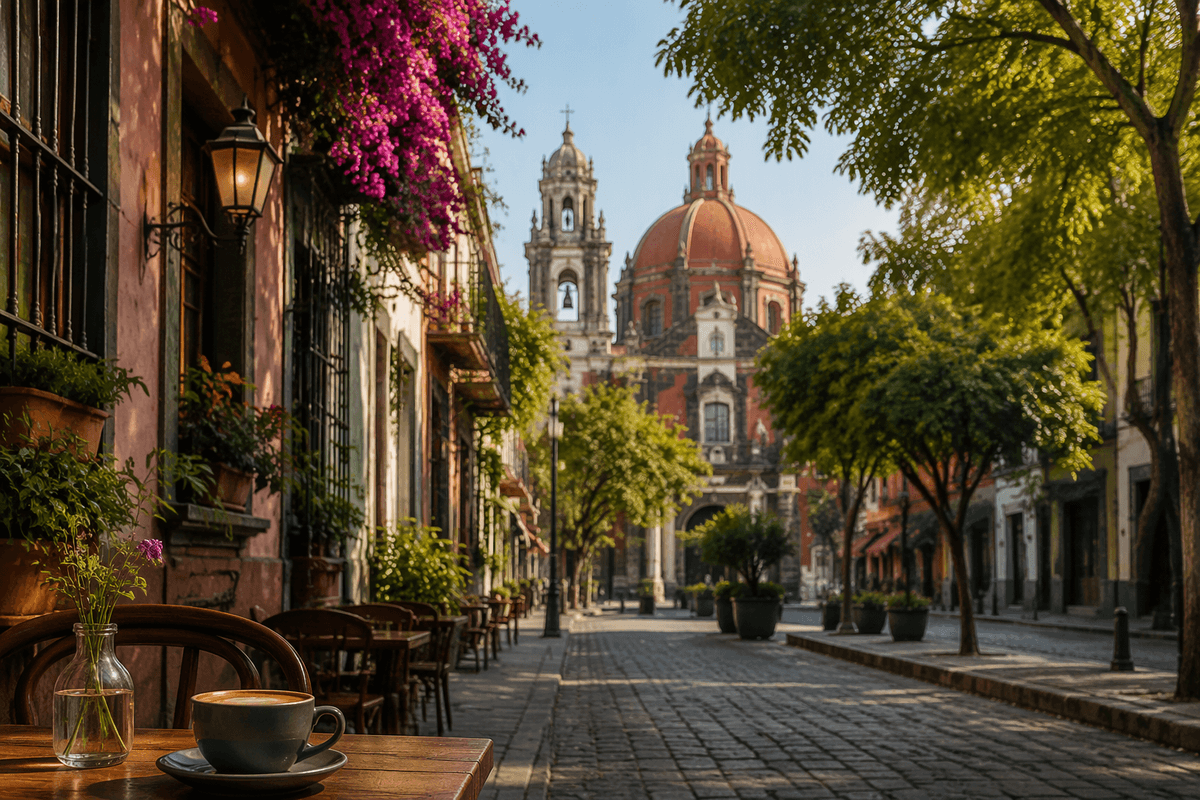
Choosing Bogotá’s best neighborhood base
The first real decision in Bogotá isn’t which museum to hit first—it’s where you want to “come home” to each night, especially if you’re adjusting to the altitude and don’t want to burn time in traffic. For a 3–5 day first trip built around culture and great food, I’d choose a base that’s walkable for everyday needs (coffee, dinner, errands) and doesn’t force you into long, repetitive cross-city rides.
Use a simple filter: mornings (how easy is it to start early), nights (how noisy or quiet it gets), and transit friction (how many rides to reach the things you actually care about). La Candelaria wins for history but can feel less comfortable after dark; Chapinero and Zona G are strong “eat well, move easily” options with some nightlife spillover; Zona T/Parque 93 is smoother and pricier; Usaquén is charming but can mean longer transfers. Pick the trade-offs you can live with, then plan your days to cluster nearby neighborhoods.
Quick orientation: safety, transit, and distances
My first morning, I underestimated how “close” Bogotá looks on a map: the city stretches north–south, and a short-looking hop can turn into a slow crawl if you’re moving at rush hour or crossing the busy corridors. Add altitude, and even a small uphill walk can feel like you’re carrying your daypack twice.
For safety, think in gradients, not absolutes: the more nightlife and foot traffic you have, the easier it is to blend in—but also the more you’ll want a low-key routine (phone away at intersections, minimal late-night wandering). TransMilenio can be fast and direct on the right line, but crowded at peak times; ride-hailing is easier when you’re tired, yet it can be slow in traffic. If you’re choosing between bases, prioritize “easy evenings” and let longer trips be occasional, not daily.
La Candelaria: history, street art, landmarks
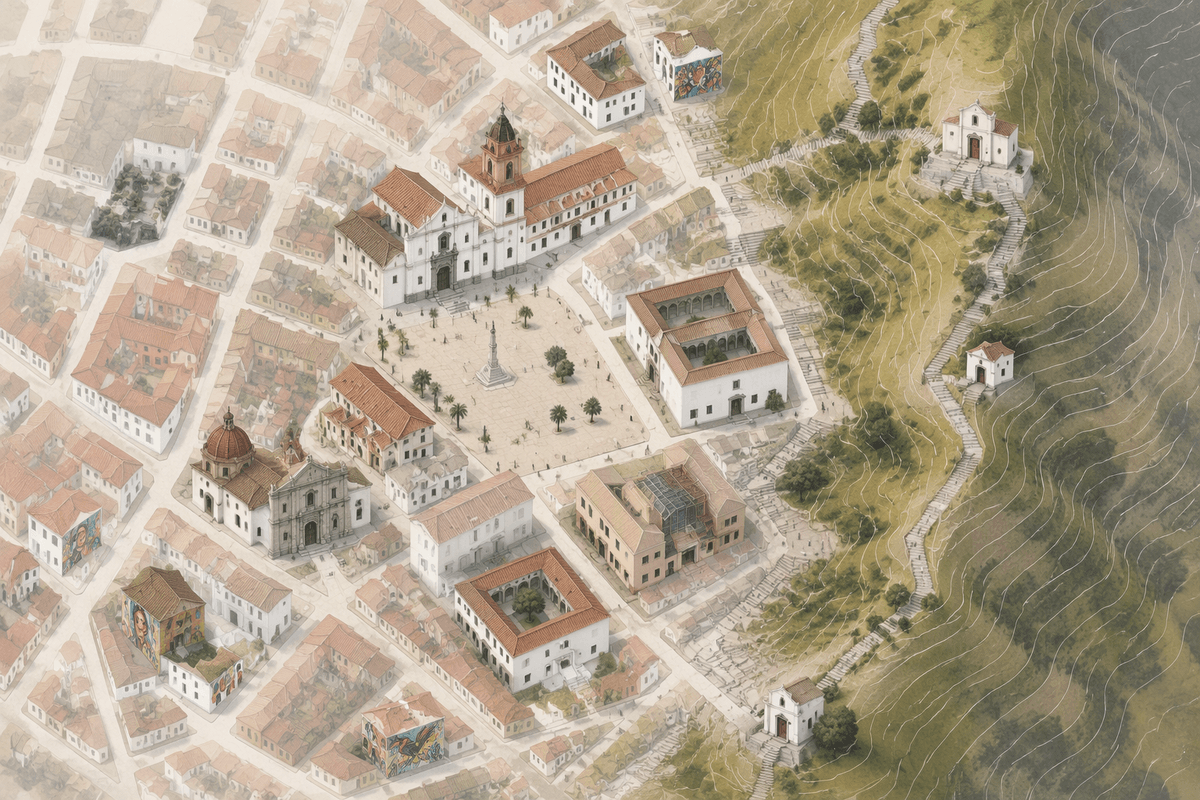
The first time I walked into La Candelaria, it felt like Bogotá’s “postcard” neighborhood—tight cobblestone streets, colonial facades, and a constant pull toward the big-ticket landmarks. This is where the history stacks up fast: you can roll from Plaza de Bolívar to nearby churches and small museums without thinking about transport, and the street art turns ordinary blocks into a self-guided gallery. It’s efficient in daylight, especially if you’re trying to pack culture into a short 3–5 day trip.
Those same quiet streets that feel atmospheric at 10 a.m. can feel thin on foot traffic after dark, and the hills plus altitude make “just a few blocks” surprisingly tiring if you’re climbing back to your hotel. If you stay here, I’d treat evenings as a plan, not an improvisation: book a dinner spot you can walk to early, use a ride back if you’re out late, and save the longer food-driven nights for Chapinero/Zona G where the routine is easier. For pure landmarks-per-hour, though, La Candelaria is hard to beat.
Centro/Teusaquillo: museums, parks, local eats
By the time I’d done the old-town sprint, I wanted a day that didn’t require “destination energy”—somewhere I could drift between sights, sit in a park, and still eat well without turning it into a logistics exercise. Centro and Teusaquillo filled that gap: more everyday Bogotá, less postcard, and often better value once you factor in how many small stops you can stack.
Teusaquillo works best when you’re museum-hopping and want breathing room between exhibits—parks and leafy streets make the altitude feel less punishing than a constant uphill grind. It’s not as plug-and-play at night: certain blocks go quiet early, and “it’s only a 15-minute walk” can feel different when foot traffic thins.
For food, this is where you can lean into low-friction local meals—set lunches, bakeries, no-reservation dinners—then bail out early if you’re tired. I liked using ride-hailing after dark here, and saving the longer, later evenings for Chapinero where the street life stays on your side.
Chapinero: Zona G dining and nightlife
The first night I aimed for a “quick dinner” in Chapinero, I learned how easily Zona G stretches your plans: you sit down intending to keep it simple, then dessert is tempting, then you’re comparing two cocktail bars a few blocks apart. The upside is obvious—this is Bogotá’s easiest neighborhood to eat very well without turning the evening into a cross-city mission. If you’re staying nearby, you can walk to dinner, keep your phone away at intersections, and still feel like you’re moving with the current rather than against it.
On weekends, the same energy that makes Zona G feel safe and lively can also mean noise, lines, and a slightly inflated “treat yourself” bill if you’re not paying attention. I found it works best with a light plan: reserve for one or two headline meals, then mix in casual spots earlier in the evening so you’re not hunting for a table at 9:30 p.m. If altitude fatigue hits, Chapinero is forgiving—you can do a full night out and still keep the ride home short.
Zona T/Parque 93: modern, walkable, upscale
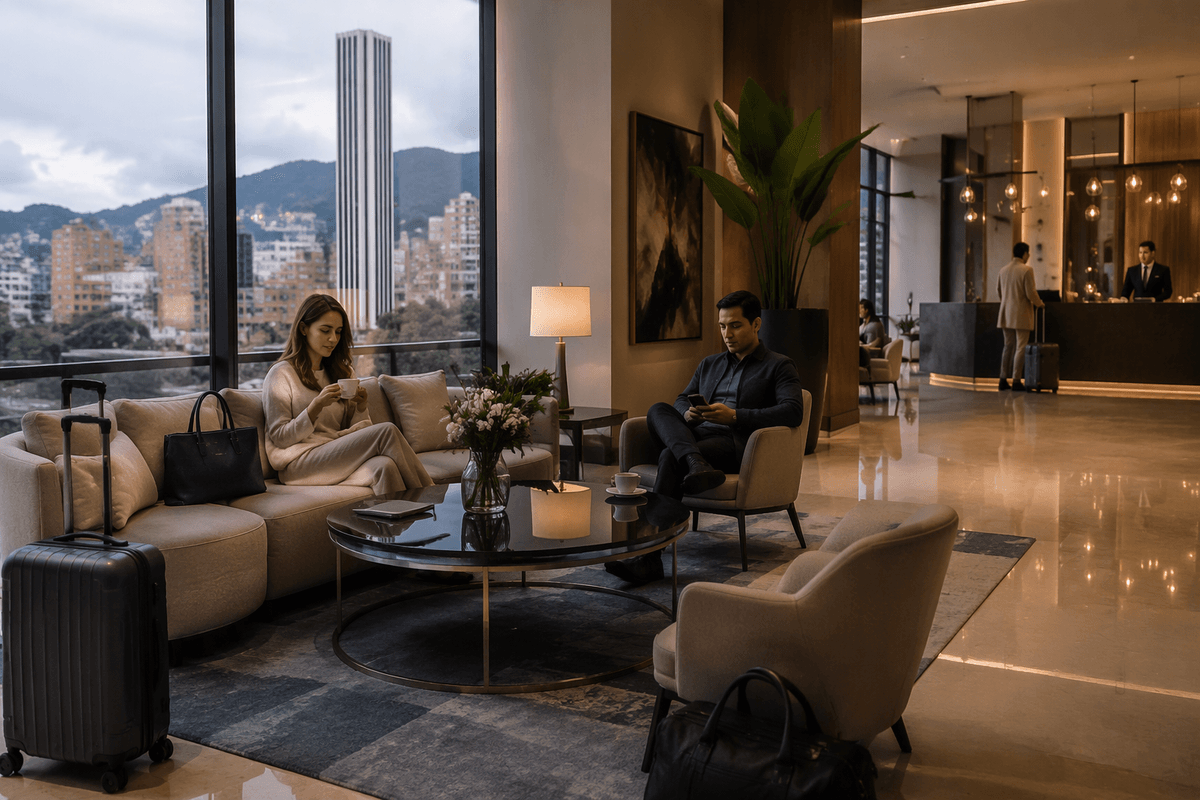
Zona T and Parque 93 are where Bogotá feels the most “easy mode”: clean sidewalks, lots of security presence, and enough cafés, gyms, and reliable restaurants that you can keep your days simple while you acclimate. If you’re the type who wants to walk out for breakfast, do a low-stress afternoon, then have dinner without planning a route, this is the smoothest base—especially for first-timers who value predictable evenings.
Hotels and meals jump up fast, and weekends can bring queues and louder late-night energy around Zona T’s bars. Parque 93 is calmer, but you’ll still feel that you’re paying for comfort. I’d use this area as a reset button: spend two nights here when you’re most tired, then take rides to La Candelaria or Teusaquillo for the culture-heavy days you don’t want to rush.
Usaquén: markets, colonial charm, brunch
Usaquén is the moment you realize Bogotá can feel small—cobblestoney, low-rise, and pleasantly unhurried—right up until you check the map and remember you’re at the far north edge of most first-timer sightseeing loops. I like it most on a weekend morning when you want a softer start: a proper brunch, a slow walk past colonial facades, then browsing the neighborhood market without needing a museum-ticket timeline.
It’s rarely hard to get a ride to or from Usaquén, but it’s easy to lose an hour to traffic if you’re bouncing between La Candelaria, Centro, and back again in the same day. If you stay here, I’d commit to “north days” (Usaquén plus Parque 93/Zona T) and treat the historic center as a planned trip—ideally earlier, before crowds and fatigue make the return feel longer than it is.
Putting it together: pick 2–3 neighborhoods
On a 3–5 day first trip, the win is committing to 2–3 zones so you’re not paying Bogotá’s “it looked close on the map” tax. If culture is the priority, pair La Candelaria (daytime landmarks) with Chapinero/Zona G (easy, safe-feeling dinners), and use ride-hailing after dark so you’re not testing quiet streets when you’re tired.
If you want the smoothest, lowest-friction base, anchor in Parque 93 or Zona T, then treat La Candelaria and Teusaquillo as day trips—early starts, big museum blocks, and back north before rush hour and altitude fatigue stack. If you’re tempted by Usaquén, make it a “north day” add-on (market/brunch, then Parque 93) rather than a daily commute. The practical takeaway: pick one sleep neighborhood for easy evenings, and one “day mission” neighborhood per day—your budget and energy both last longer.