Why Long-Term Travel Changes Your Perspective
By the second or third week, travel stops feeling like a sequence of highlights and starts resembling ordinary life with unfamiliar scenery. A delayed train, rising food costs, or a tired afternoon can disrupt plans more than any major attraction. That is when careful preparation proves useful—but only as a starting point.
Long-term travel changes perspective because small decisions repeat: where to sleep, when to move, what to carry, and what deserves energy. Flexibility becomes less about spontaneity than conserving time, money, and attention when circumstances shift.
Planning With Flexibility, Not Perfect Certainty
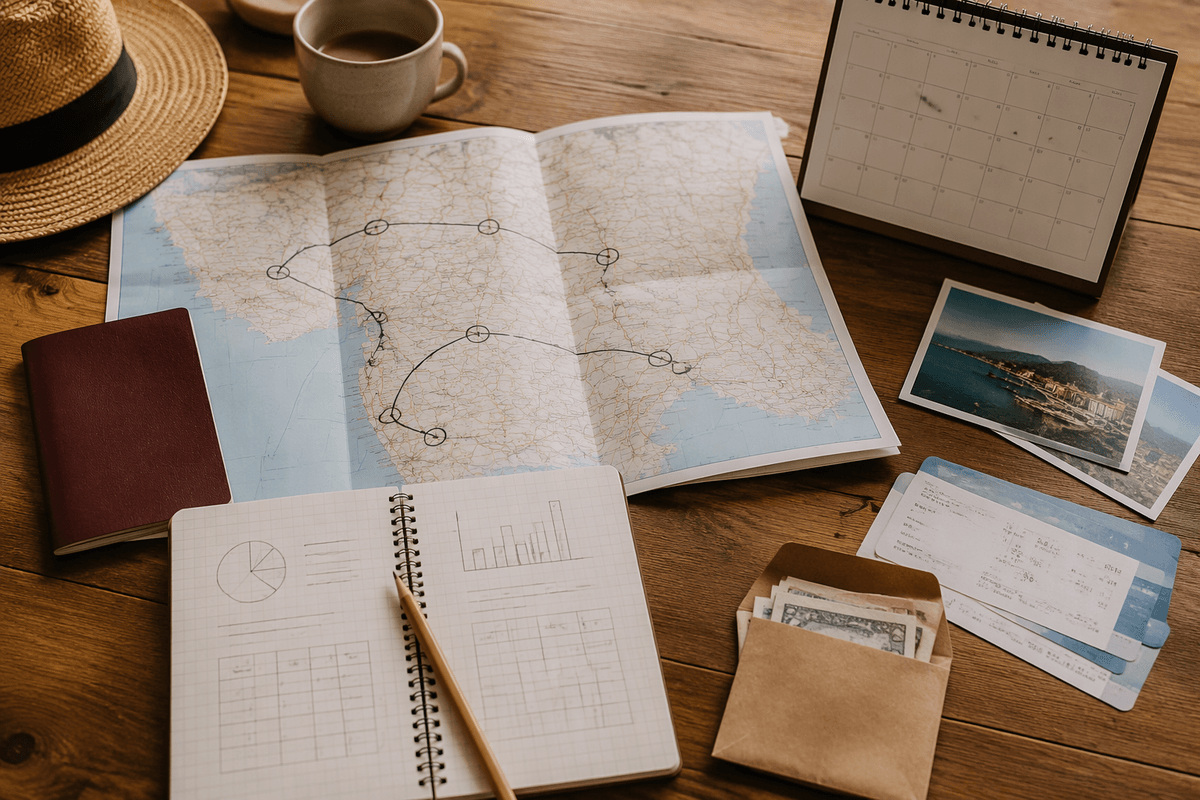
Before leaving, it helps to reserve accommodation for the first few nights, understand transport connections, and estimate a realistic daily budget. Beyond that, precision can become a burden. A route that looks efficient on paper may involve an exhausting transfer, expensive last-minute rooms, or weather that makes staying put the wiser choice.
The most useful plan is therefore a set of adjustable decisions: know which bookings are costly to change, keep a financial buffer, and leave space between major moves. This works especially well when energy levels vary, though it can feel uncomfortable to surrender control. Over time, travelers often find that flexibility is not poor preparation; it is preparation for conditions they cannot predict.
Living Well With Fewer Possessions
After moving between enough rooms, trains, and temporary places to stay, even a modest backpack can begin to feel overloaded. Travelling with fewer belongings makes these transitions easier. There is less to carry up stairs, fit onto crowded buses, unpack at each stop, or gather when plans change unexpectedly. Still, packing light should not mean leaving behind everything that might be useful. Worn-out clothing, missing toiletries, or a forgotten phone charger may be inconvenient and expensive to replace, particularly in unfamiliar places where shops are difficult to find or close earlier than expected.
A more practical approach is to pack around the routines you follow regularly rather than preparing for every situation you can imagine. Clothing that works across different combinations and weather conditions is usually more useful than several outfits reserved for specific occasions. A compact laundry kit helps extend the use of a smaller wardrobe, while comfortable shoes, versatile layers, and essential medication support everyday needs. Reliable charging equipment and a few basic personal items also deserve space because replacing them during a trip may take more effort than carrying them from the start. Spare items still have a place, but each one should justify the weight and space it occupies.
Travelling with fewer possessions also changes how you make decisions throughout the day. Less luggage means less time spent packing, unpacking, searching for belongings, and keeping track of things between accommodation changes. There is also less pressure to protect or organize items that rarely get used. At the same time, leaving some space in your bag makes it easier to accommodate an unexpected purchase, a change in weather, or a longer stay in one place. Comfortable minimalism is not about reducing everything to the smallest possible number of items. It comes from knowing which belongings support your daily routines, which are worth carrying for occasional needs, and which only add weight without making the journey better.
Managing Money, Time, and Daily Decisions

Once possessions are under control, money and time become the main sources of daily friction. A fixed budget helps reveal patterns, but costs rarely arrive evenly: a cheap travel day may be followed by an expensive transfer, laundry, or medical purchase. Tracking broad categories is usually more useful than recording every receipt, especially when the goal is to notice when convenience is quietly consuming the budget.
Moving every few days can maximize variety but leave little energy for ordinary tasks, while staying longer often lowers transport costs and creates a steadier routine. The useful habit is to decide what deserves attention today and postpone the rest without guilt. Long-term travel makes this visible: sustainable days depend less on doing more than on making fewer decisions when tired.
Finding Comfort in Unfamiliar Places
Comfort usually arrives through repetition rather than familiarity. Finding the same café, learning the nearest grocery route, or keeping a simple morning routine can make an unfamiliar place feel manageable without turning it into a checklist. These habits help when language, weather, or transport feels difficult, though they may also limit curiosity if followed too rigidly.
The better balance is to establish a few anchors and leave the rest open. A reliable place to sleep, a practical meal, and an unhurried hour can restore energy after a complicated travel day. From there, exploring becomes easier—not because uncertainty disappears, but because daily life has enough structure to absorb it.
Bringing Travel Lessons Home
Returning home can make familiar routines feel strangely inefficient. The useful lessons are rarely about keeping a travel lifestyle intact; they are about noticing what reduced friction: leaving margins in the schedule, spending deliberately, carrying less, and protecting time for rest. Some habits will not transfer neatly—daily uncertainty is easier to accept on a journey than during work or family commitments—but the underlying judgment remains valuable.
Instead of rebuilding life around perfect control, keep the routines that made changing plans manageable. A little preparation, a financial buffer, and permission to adjust can create the same steadiness at home that flexible travel created abroad.