Planning Your New Zealand Road Trip
Planning starts with choosing what the trip must do well: cover both islands, follow one scenic region slowly, or combine major highlights with longer driving days. For a first visit, trying to include Auckland, Rotorua, Wellington, Queenstown, and the West Coast can look manageable on a map but often leaves little daylight for walks or weather delays. Treat distances as full travel commitments, not gaps between attractions, and allow at least one flexible day around a ferry crossing or flight.
Overnight stops should support the route rather than simply divide it in half. A larger base such as Christchurch, Queenstown, or Rotorua usually offers more accommodation and dining choices, while smaller towns can reduce backtracking and place you closer to early-morning scenery. Mid-range travelers often save money by staying two nights in fewer places, even if that means skipping a detour. The best plan is rarely the one with the most stops; it is the one that leaves enough energy to enjoy them.
North Island Scenic Routes
Leaving Auckland, the most efficient North Island route follows State Highway 1 through Hamilton, Rotorua, and Taupō before reaching Wellington. It is practical rather than consistently dramatic, but the geothermal areas around Rotorua and volcanic landscapes near Taupō justify two-night bases. Driving Auckland to Rotorua in one stretch is manageable; adding Taupō the same day usually turns sightseeing into a rushed stop.
For more coastal scenery, detour through the Coromandel Peninsula, where winding roads, slower traffic, and limited accommodation make the route rewarding but inefficient. It works best as a two- or three-night loop rather than an overnight interruption between Auckland and Rotorua. Weather can also affect access to beaches and short walks, so keeping the itinerary flexible matters more here than saving a few dollars on a fixed booking.
Northland offers a different compromise: quieter beaches and smaller settlements, but longer distances and fewer convenient overnight bases. Travelers with limited time should generally choose either Northland or the Coromandel, not both. A balanced plan often uses Rotorua and Taupō as anchors, then adds Wellington only if the ferry crossing or onward travel makes the extra driving worthwhile.
South Island Scenic Routes
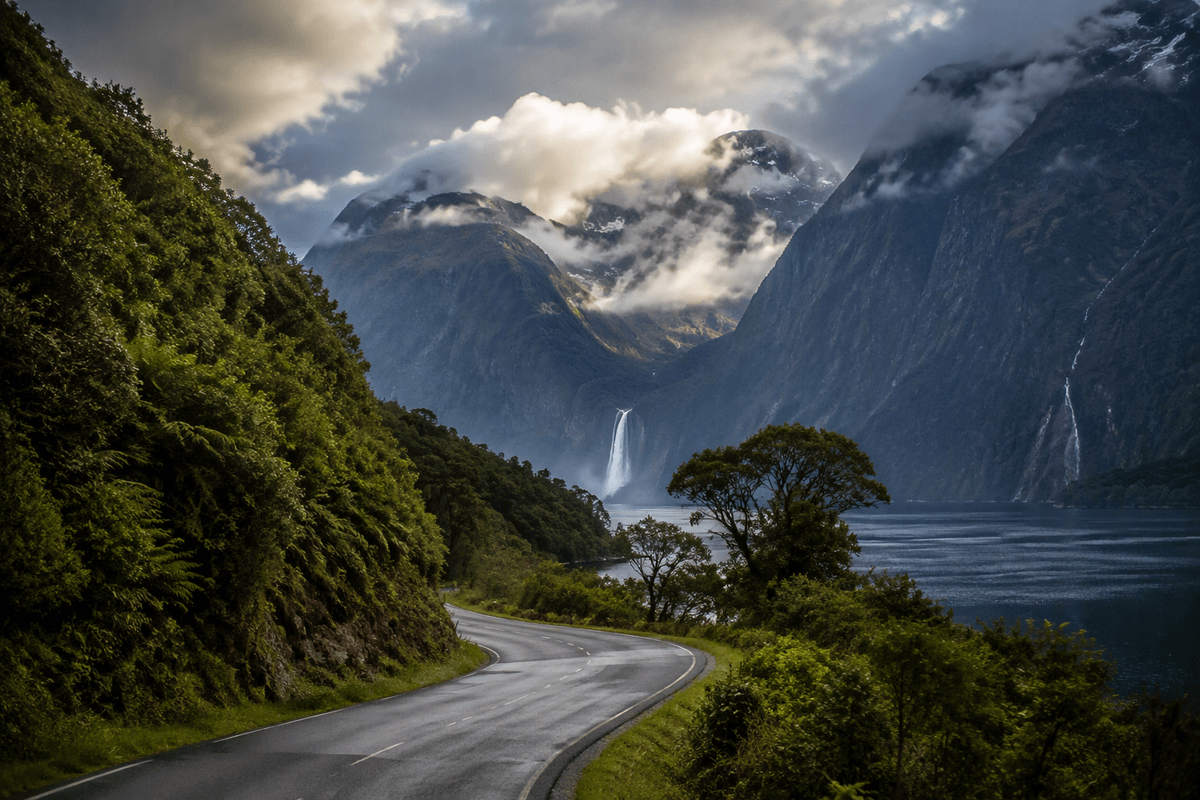
On the South Island, the main decision is whether to prioritize the west coast, the inland lakes, or a faster loop between Christchurch and Queenstown. The West Coast route through Arthur’s Pass, Hokitika, and Franz Josef is the most atmospheric, but rain, winding roads, and limited services make Christchurch to Queenstown in one day unrealistic. Break the journey around Hokitika or Franz Josef; the overnight cost is higher than inland alternatives, but it protects time for short walks if weather changes.
The inland route through Lake Tekapo and Aoraki/Mount Cook is easier to organize and often better for first-time visitors with limited days. Christchurch to Tekapo is a comfortable travel day, while continuing to Queenstown is possible but leaves little time for viewpoints or the Hooker Valley walk. Wanaka can replace part of the Queenstown stay, offering scenery with slightly less intensity, although accommodation availability still tightens during peak periods. Milford Sound is best treated as a dedicated day from Te Anau, not a casual detour from Queenstown; adding Te Anau costs a night but avoids fatigue and gives weather-sensitive plans more flexibility.
Choosing Overnight Stops
After choosing the broad route, overnight stops should be tested against the day’s actual driving rather than selected for name recognition. A town may look central on a map but still require a late arrival after scenic roads, meal breaks, and photo stops. Bases such as Taupō, Nelson, Te Anau, and Wanaka work well when they support two nights: you can explore locally without repacking, and a weather delay does not immediately break the itinerary.
Smaller stops are worthwhile when they remove a major detour or position you near an early departure, but they offer fewer restaurants, limited fuel, and less backup if accommodation falls through. Book popular areas—especially Queenstown, Aoraki/Mount Cook, and Milford Sound’s gateway towns—before finalizing the route, then keep one less-demanding night flexible where possible. In practice, a reliable base with modest scenery often beats a cheaper room that adds an hour of driving and leaves everyone too tired to explore.
Practical Driving Considerations
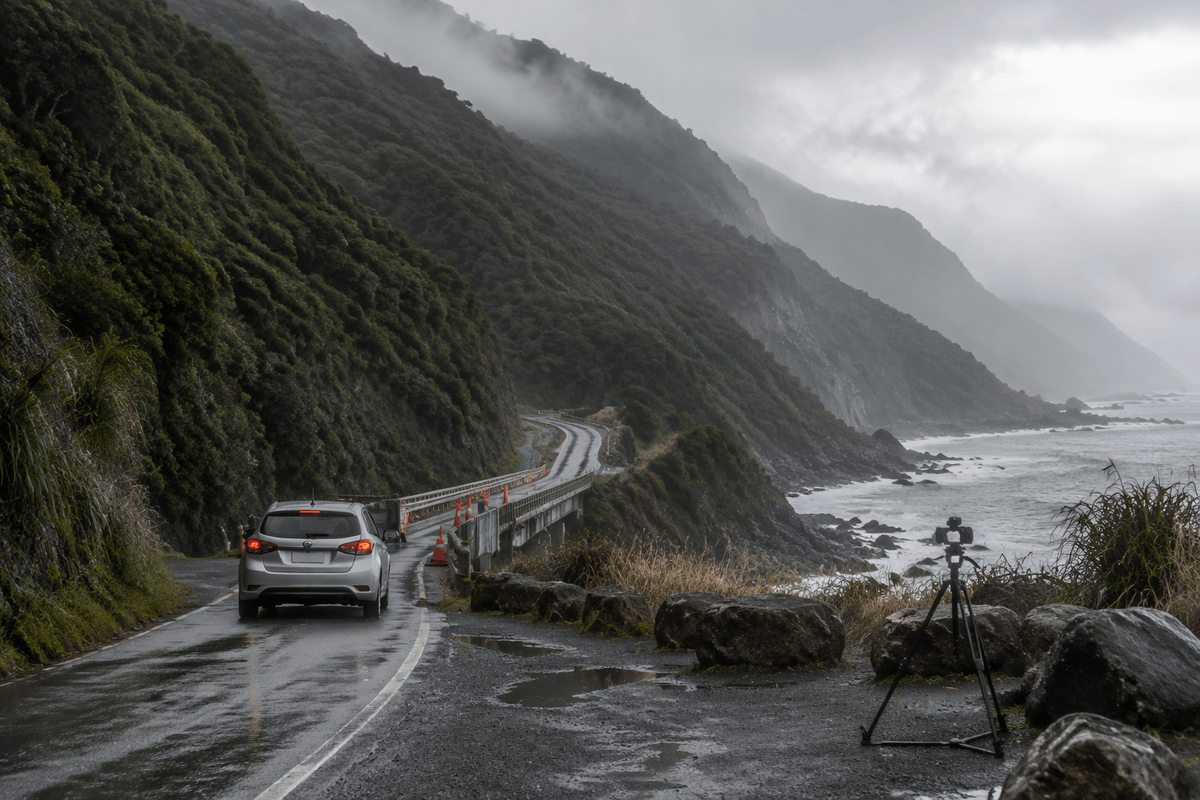
Driving times on a map rarely include the delays that matter in New Zealand: narrow roads, one-lane bridges, roadworks, photo stops, and weather-related slowdowns. Plan around four to five meaningful driving hours rather than the maximum distance a navigation app allows. This is especially important on the West Coast, around Coromandel, and on routes to Milford Sound, where fatigue builds quickly and overtaking opportunities are limited. Refuel before remote stretches, since the next service station may be much farther than expected.
Allow extra time for ferry check-in, mountain passes, and changing light, particularly outside summer. A scenic road is poor value if arrival leaves no energy for a walk or forces a late search for dinner. If rain, wind, or a road closure changes the plan, shorten the day rather than protecting every booking. Paying for one additional night is usually cheaper than losing a full day to exhaustion, missed connections, or an avoidable recovery drive.
Building A Balanced Route
By the final planning pass, compare the route as a sequence of usable days rather than a collection of destinations. A balanced itinerary usually combines two-night bases with one or two longer transfer days, keeping most drives within four or five hours and leaving room for walks, meals, and weather delays. Crossing both islands may be worthwhile for a three-week trip, but with less time, choosing one island often produces a calmer and more rewarding journey.
Before booking, mark the days that depend on ferries, mountain roads, or fixed tours, then protect them with extra margin. If the plan only works when every departure is on time and every forecast is favorable, it is too tight. The strongest route is not the one that covers the most ground; it is the one that still feels manageable when a scenic stop takes longer, rain changes the view, or everyone needs an unplanned quiet evening.