Why Malaysia is a wildlife powerhouse
I almost skipped Malaysia the first time because the map looked deceptively “easy”: rainforest here, river there, an island on top—until I realized the country’s real advantage is also the thing that can trip you up. Peninsular Malaysia and Malaysian Borneo aren’t interchangeable; you’re choosing between very different ecosystems, travel times, and wildlife odds, and a 7–10 day window from Singapore makes those trade-offs matter fast.
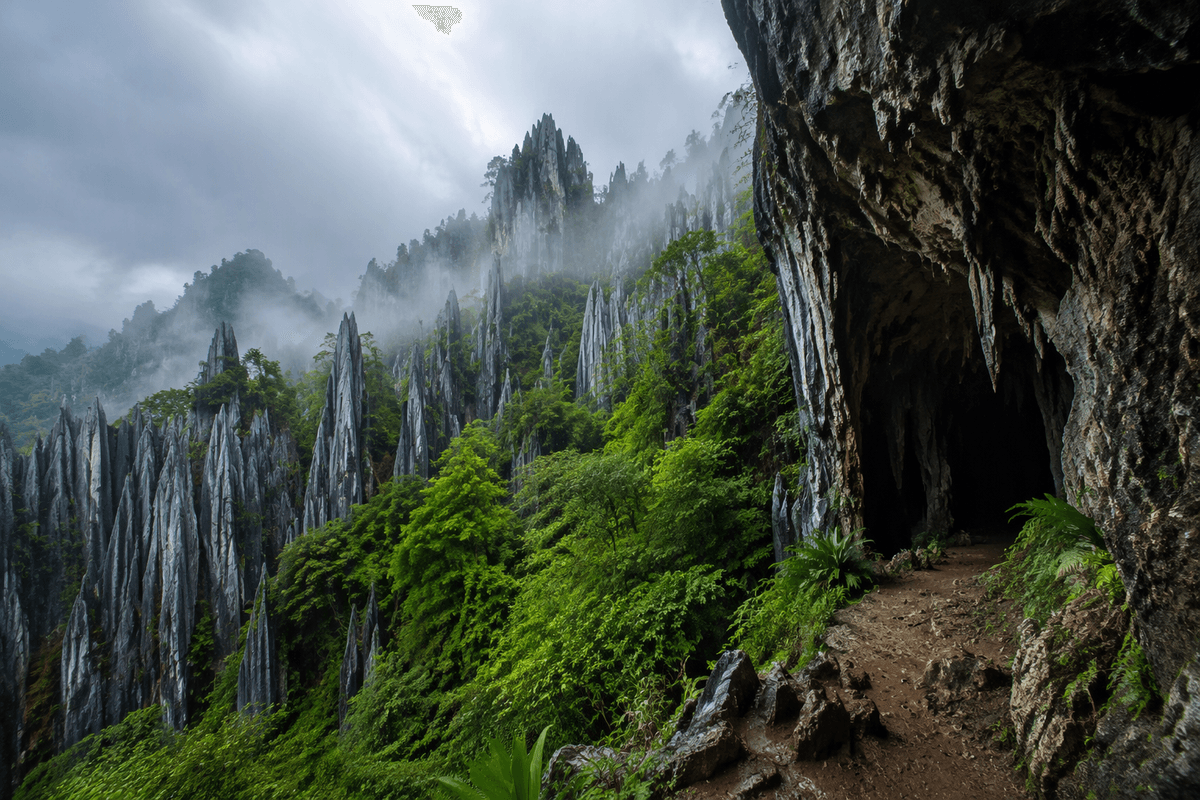
What makes Malaysia a wildlife powerhouse is range: ancient lowland jungle (Taman Negara, Danum Valley), big-animal river corridors (Kinabatangan, Royal Belum), cave-and-pinnacle limestone worlds (Gunung Mulu), and a reef that still feels like a documentary set (Sipadan). The catch is that “wildlife-rich” doesn’t always mean “wildlife-easy.” Monsoon shifts can flatten visibility and boat schedules, permits cap access in places like Sipadan, and tour quality varies enough that you’ll want to bias toward operators who prioritize low-impact viewing over chasing sightings.
How to pick the right habitat for you
I found the decision got clearer the moment I stopped asking “Which park is best?” and started asking “What kind of wildlife time can I actually sustain for three days straight?” If you want maximum sightings with minimal hiking, pick a river corridor like Kinabatangan or Royal Belum—boats do the work, but you’ll be tied to dawn/dusk cruises and whatever the water level decides that week. If you’re okay with sweat and slower rewards, lowland rainforest treks (Taman Negara, Danum Valley) feel more immersive, but you can do everything “right” and still have quiet days where the forest wins.
Then check your tolerance for logistical drag. From Singapore, Peninsular options usually mean simpler transfers and fewer domestic flights; Borneo often pays you back with orangutan habitat and bigger-wildlife odds, but you’ll spend more time in airports and on long road legs. Limestone and reef destinations (Mulu, Sipadan) can be the most “wow” per hour on the ground, yet they come with hard constraints—flight schedules, permit caps, and weather windows that can force you into pricier packages or extra buffer nights.
Finally, be honest about your “comfort floor”: if you need air-con recovery, stable Wi‑Fi, or don’t want leeches, choose bases with stronger lodge infrastructure and shorter activity blocks. The best itinerary isn’t the most famous map pin—it’s the one you’ll still enjoy on day five when the rain starts early and the wildlife doesn’t perform on cue.
Ancient rainforest treks: Taman Negara, Danum Valley
I remember standing at the jetty in Kuala Tahan (Taman Negara’s gateway) doing the quiet math: do I really want another “easy” park that’s convenient but diluted? The reality is Taman Negara is the best-value ancient rainforest hit on the peninsula—fast enough from Kuala Lumpur (bus/van + boat), workable for a 2D1N or 3D2N, and you can get straight into night walks, canopy walkway time, and short jungle trails without committing to hardcore trekking. It’s also where “wild” can feel managed: more groups, more set itineraries, and sightings that skew to smaller wins (hornbills, macaques, insects, frogs) unless you’re patient and lucky.
Timing matters more than brochures admit. In heavier rain, leeches and muddy trails turn a “gentle trek” into a slow grind, and river levels can reshuffle boat logistics. If you’re coming over a long weekend from Singapore, Taman Negara can feel crowded; I’d rather go midweek and pay slightly more for a guide who’s willing to linger quietly instead of marching to the same photo stops.
Danum Valley (Sabah) is the opposite decision: fewer people, deeper forest, better odds for the kind of big-wildlife moments you actually came for (orangutans are possible; elephants are more of a bonus), but you pay in both cash and transit. You’re looking at flying to Lahad Datu, then a long overland transfer, and a minimum stay that usually makes sense at 3D2N+—great if you want immersion, frustrating if your 7–10 days are already tight and you hate “one place, one lodge” travel.
Big-wildlife waterways: Kinabatangan, Royal Belum
The first time I did a Kinabatangan river cruise, it felt almost like cheating: I’d been bracing for jungle sweat, and instead I was sitting under a canopy watching the treeline do the work—proboscis monkeys landing like clumsy acrobats, hornbills commuting overhead, and crocodiles holding position like they’d been placed there. Kinabatangan (Sabah) is the “fast feedback” stop in Borneo: you fly into Sandakan, then commit to a couple of hours by road plus boat to reach your lodge, and a 2D1N can genuinely deliver. The thing that doesn’t show in highlight reels is how operator choice shapes the whole experience—too many boats on the same bend turns wildlife viewing into traffic, and some guides push too close for photos. I’d pay a bit more for smaller-boat limits and fewer cruise departures rather than an itinerary packed with engine time.
Royal Belum (Perak) is the peninsula’s slower-burn waterway: a huge forested lake system where you trade “constant sightings” for the feeling of scale. It’s more realistic here to be thrilled by birds, tracks, and quiet forest edges than to bank on dramatic mammals—tigers exist, but expecting one on a standard trip is setting yourself up for disappointment. Access is simpler if you’re already in Kuala Lumpur (drive/train toward Gerik, then boat), and 2D1N or 3D2N works, but the friction is that everything runs on lake logistics: departure times, shared boats, and weather that can flatten the mood if you’re stuck waiting at the jetty. If your priority is primates and riverbank action, Kinabatangan wins; if you want a deep-green reset without flying to Borneo, Royal Belum earns its place.
Otherworldly habitats: Gunung Mulu, Sipadan
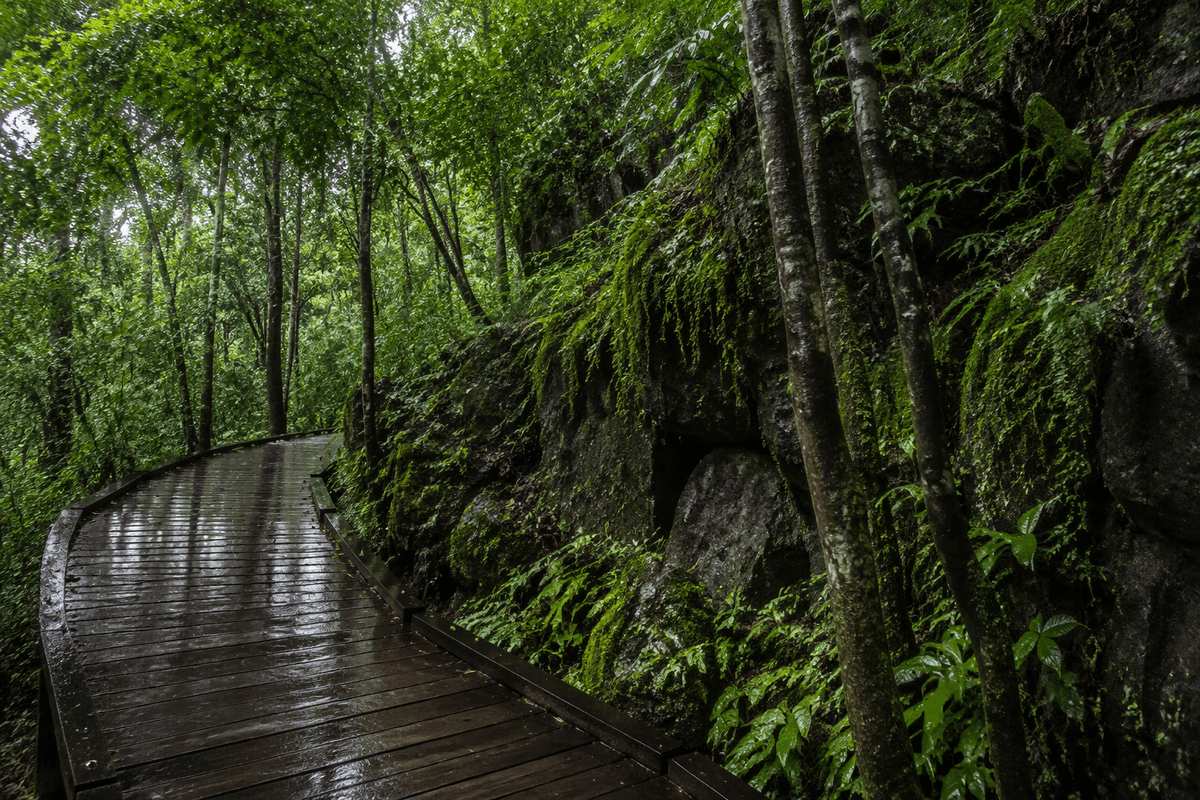
I felt the first bit of friction with Gunung Mulu before I even saw limestone: the whole plan hinges on small flights, and a “short detour” becomes your main constraint if schedules don’t line up. When it works, Mulu is the rare park that feels genuinely alien—cathedral-scale caves, sharp karst towers, and rainforest that changes character the moment you step onto boardwalks versus muddy side trails. A 2D1N can hit the headline caves (Deer/Lang’s) but feels rushed; 3D2N is the sweet spot if you also want a night walk or the bat exodus without watching your watch the whole time. The catch is weather: heavy rain doesn’t just make trails slick—it can reshuffle cave conditions and make flights jittery enough that you’ll want buffer time, not a tight onward connection.
Sipadan is the opposite kind of “otherworldly”: no trekking pride, just a permit problem. You don’t stay on Sipadan; you base around Semporna (often Mabul/Kapalai) and compete for limited daily permits, so it’s not a place to “see how we feel” once you arrive. With a mid-range budget, expect the cost to concentrate into a dive package, and plan 3–5 nights if you want decent odds of 1–2 Sipadan days rather than a single token slot.
Seasonality matters more here than in the rainforest stops: calmer seas and better visibility usually sit outside the rougher monsoon window, but even in a “good” month you can lose a day to chop or currents. If you’re not already comfortable with multiple boat dives a day, Sipadan can feel physically demanding in a way brochures don’t admit—amazing, but not relaxing.
A simple way to choose your final two stops
On a sticky afternoon with half-open flight tabs, I stopped trying to build the “perfect” loop and forced a simpler choice: pick one place that needs planning discipline (permits, limited flights, fixed lodge packages), then pair it with one place that still works if a day slips to delays or rain. For most first-timers on 7–10 days from Singapore, that means either Sipadan or Mulu or Danum as your “commitment” stop—because each one punishes last-minute changes—then Kinabatangan or Taman Negara as the reliable second anchor.
If you want the highest chance of seeing animals without feeling like you’re training for a trek, go Kinabatangan + (Mulu or Sipadan): river dawn/dusk cruises give quick wildlife wins, and your “other” stop delivers the scenery or underwater wow. If flights and buffers stress you out, stay on the peninsula and go Taman Negara + Royal Belum; you’ll trade headline sightings for easier logistics and fewer moving parts. The final filter is honesty about energy: if two transfers in a row already makes you tired, don’t stack two remote Borneo hops—choose one, do it properly, and let the second stop be the one that still feels good on a slightly messy day.